Who We Are

About Us
The Link partners with youth and young families as they transition from crisis into safety and healing.
Our transformative programs empower youth to secure housing, begin healing from trauma, find jobs they love, and pursue their goals for the future.
Our Mission
The Link works with youth and families to overcome the impacts of poverty and social injustice
Our vision is a community supporting all youth in having equitable access and opportunity
Our work is guided and informed by our beliefs and commitment to:
Who We Are
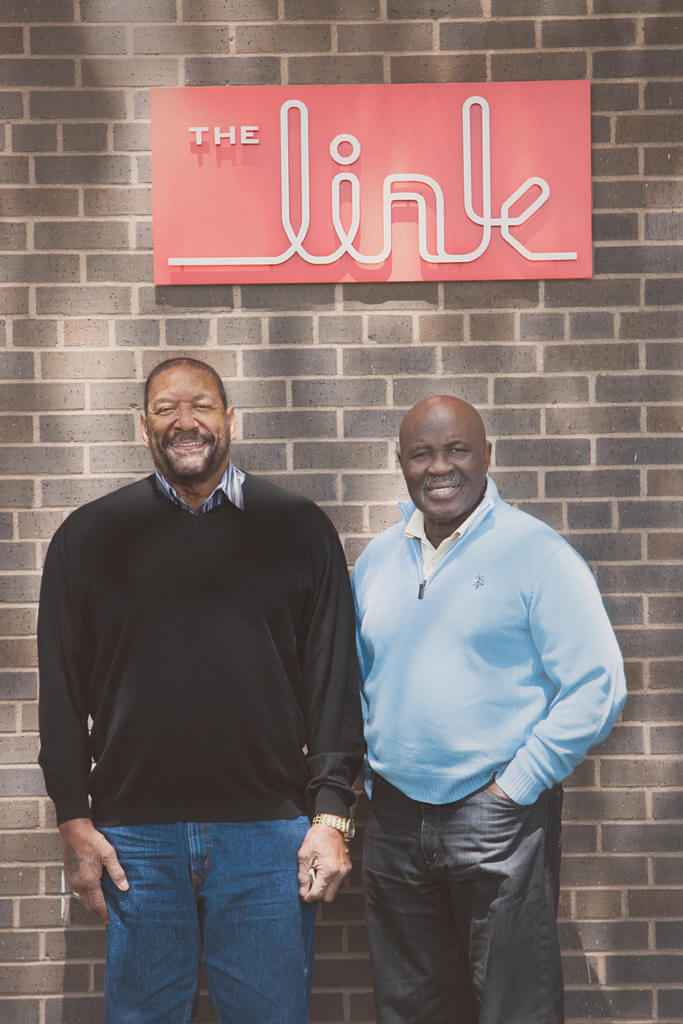
The Link provides street outreach, emergency shelter, housing, crisis intervention, and supportive services to young people who are facing homelessness, sexual exploitation, and/or involvement in the juvenile justice or child welfare systems. The Link was founded in 1991 by two Black community leaders and former Minnesota Vikings, Jim Marshall and Oscar Reed.
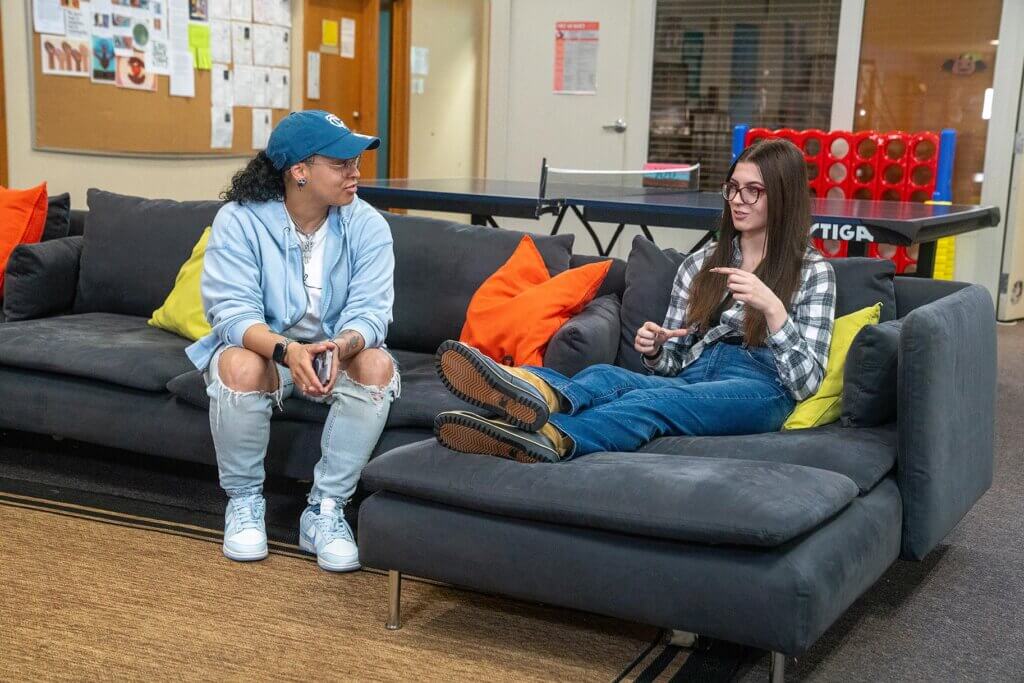
The Link serves over 2,000 youth and families across the metro area every year, meeting young people where they are and offering the resources and opportunities to focus on their goals without having to worry about where they are going to sleep at night, or where their next meal is coming from. Through The Link, youth have a safe place to call home, can build confidence, reconnect with their education, develop leadership skills, foster healthy relationships, and so much more.
What makes us
Different
At the heart of The Link is our commitment to uplifting and centering youth and community voice in everything we do. We empower young people through our youth and adult co-leadership model, offering paid leadership opportunities on Youth Advisory Committees for current and former program participants with firsthand experiences of homelessness, sexual exploitation, and/or systems involvement. Youth leaders play a vital role in shaping The Link and ensuring our programs authentically meet community needs.
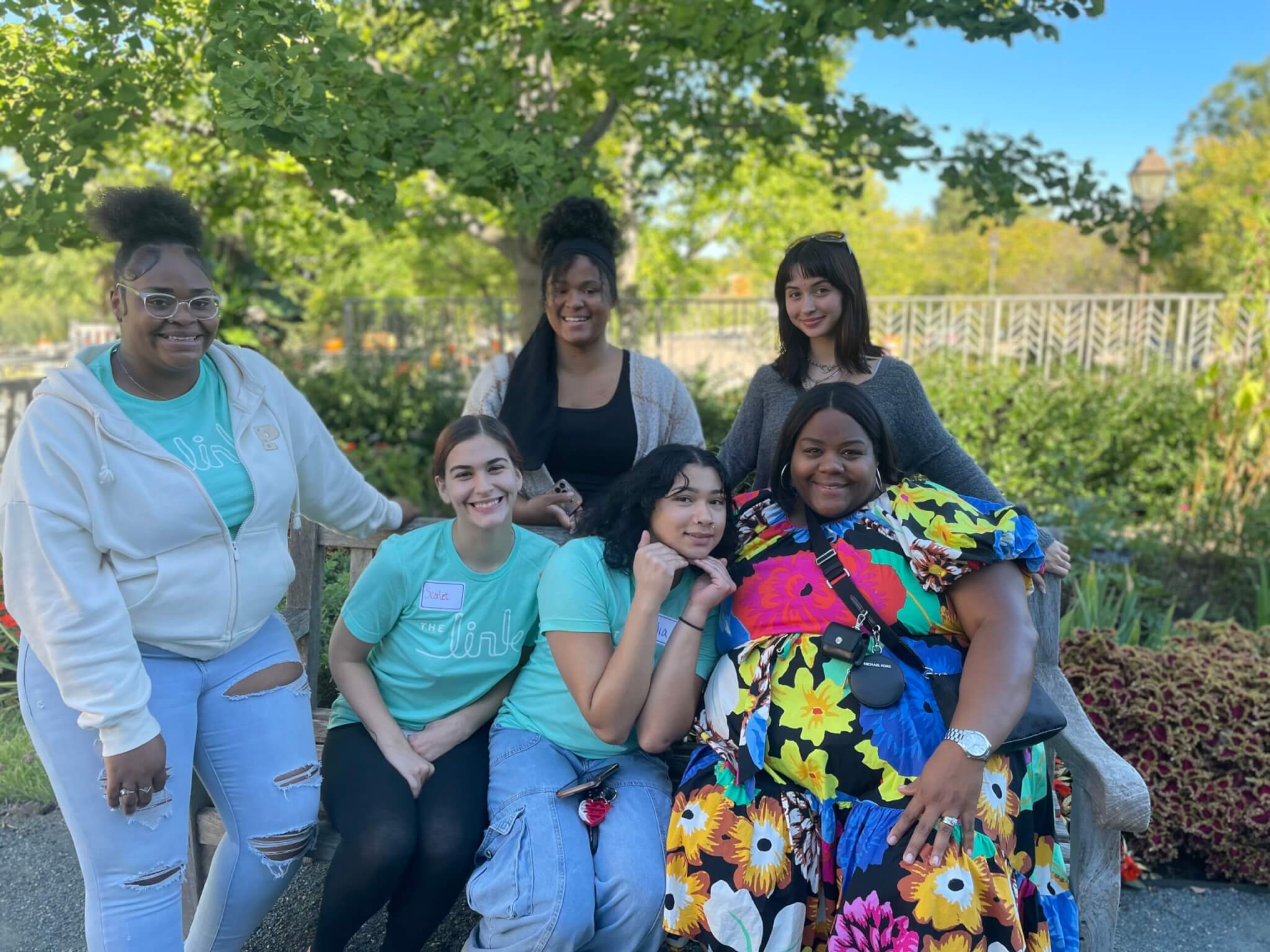
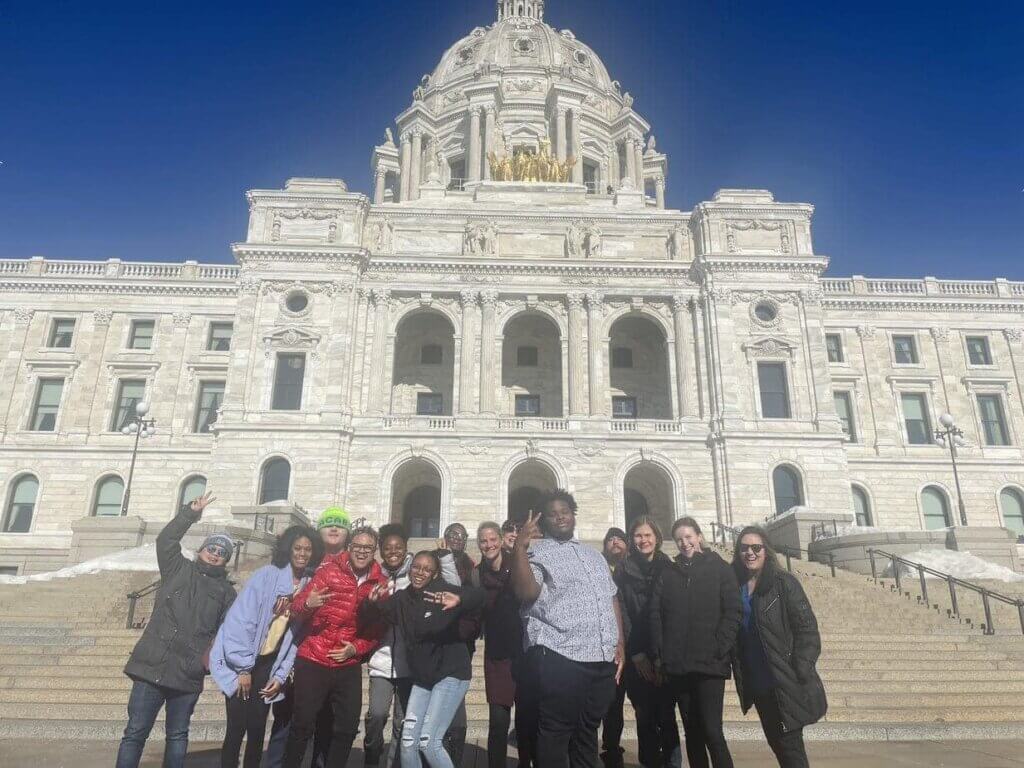
In 2023, 75 youth leaders served on our Youth Advisory Committees, providing nearly 5,000 paid leadership hours.
Who We Serve

Youth Experiencing Homelessness
Youth who don’t have a safe place to sleep – often because they have been kicked out of their home, fled domestic violence, or aged out of the foster care system

Sexually Exploited Youth
Young people who have been sexually exploited or trafficked – vulnerable youth are often targeted by traffickers who prey on their need for food, shelter, or a sense of belonging

Youth Involved in the Juvenile Justice System
Youth who are not attending school or who have been involved in crime – most often because of poverty or underlying trauma affecting the youth and/or their family
History Timeline
1991
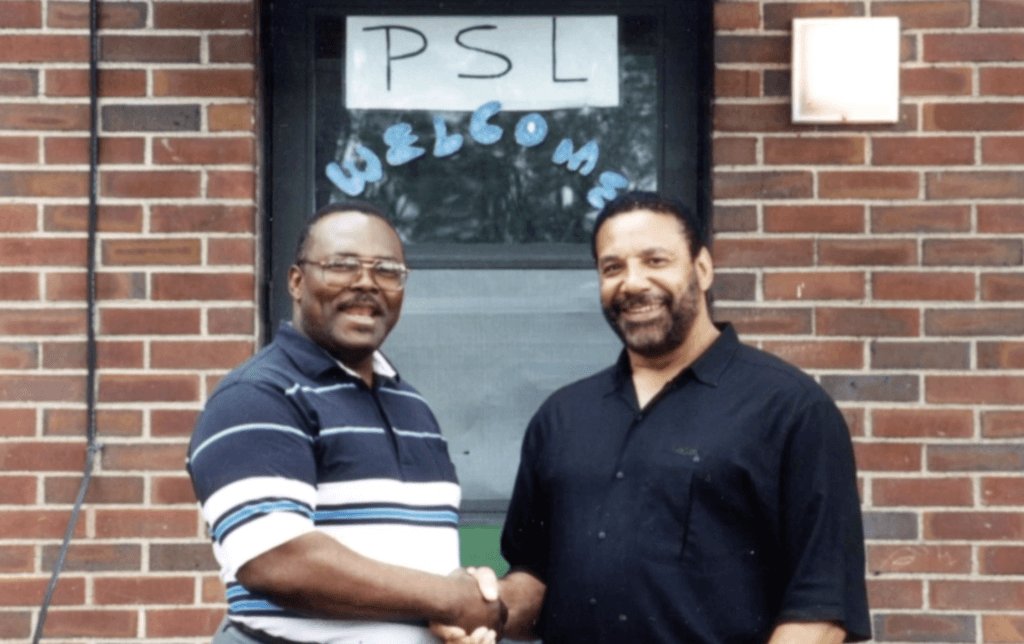
Professional Sports Linkage founded by
Jim Marshall and Oscar Reed
1996
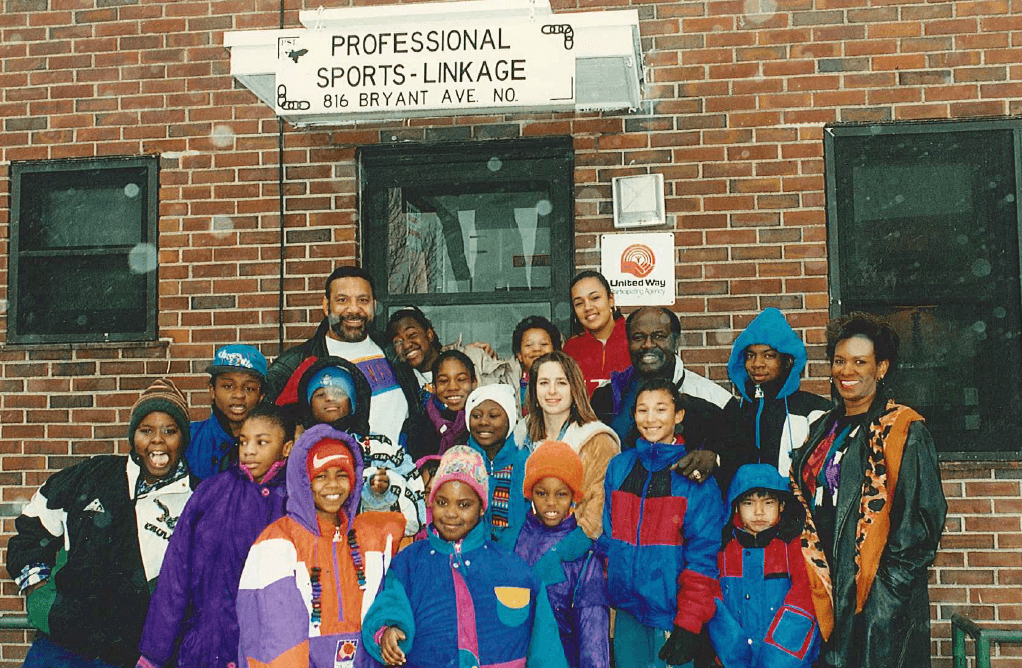
Juvenile Justice Transition Program worked with youth exiting Red Wing Correctional Facility
2002
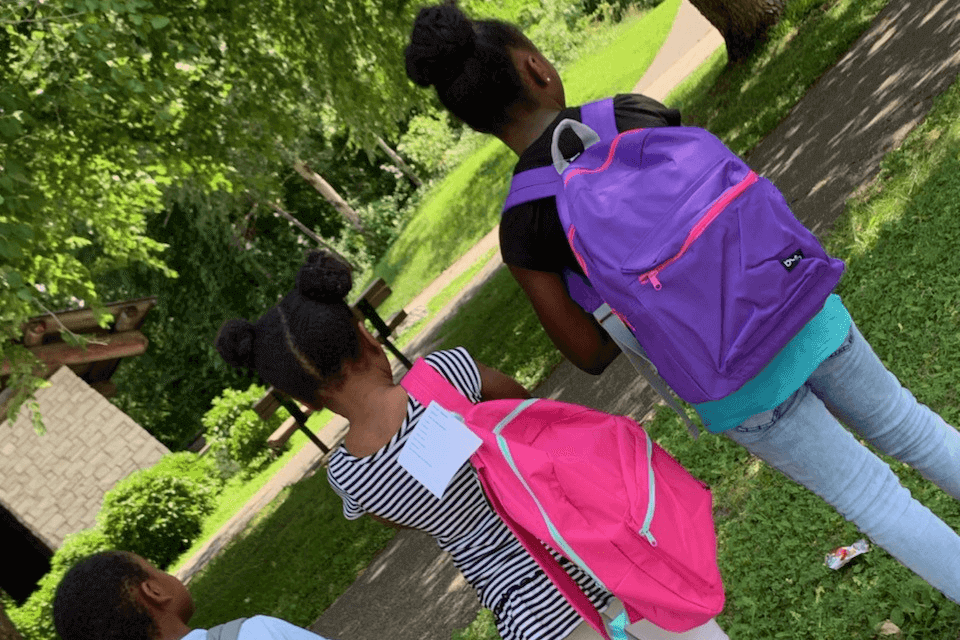
Truancy Intervention Program begins- now called School Matters
2005
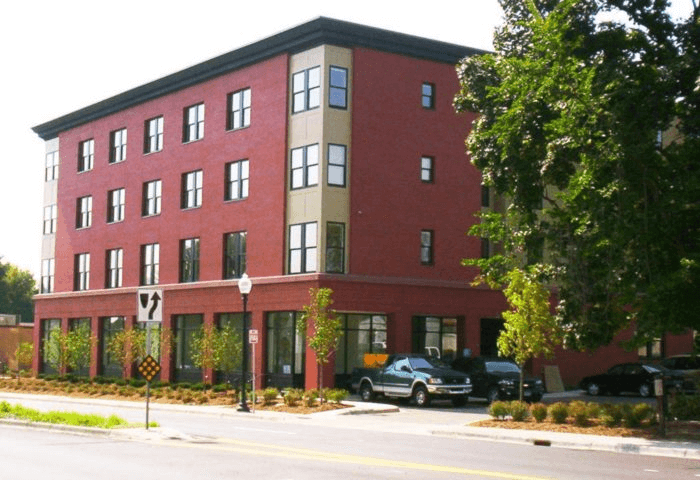
Opened first housing program with Lindquist Apartments in North Minneapolis
2011
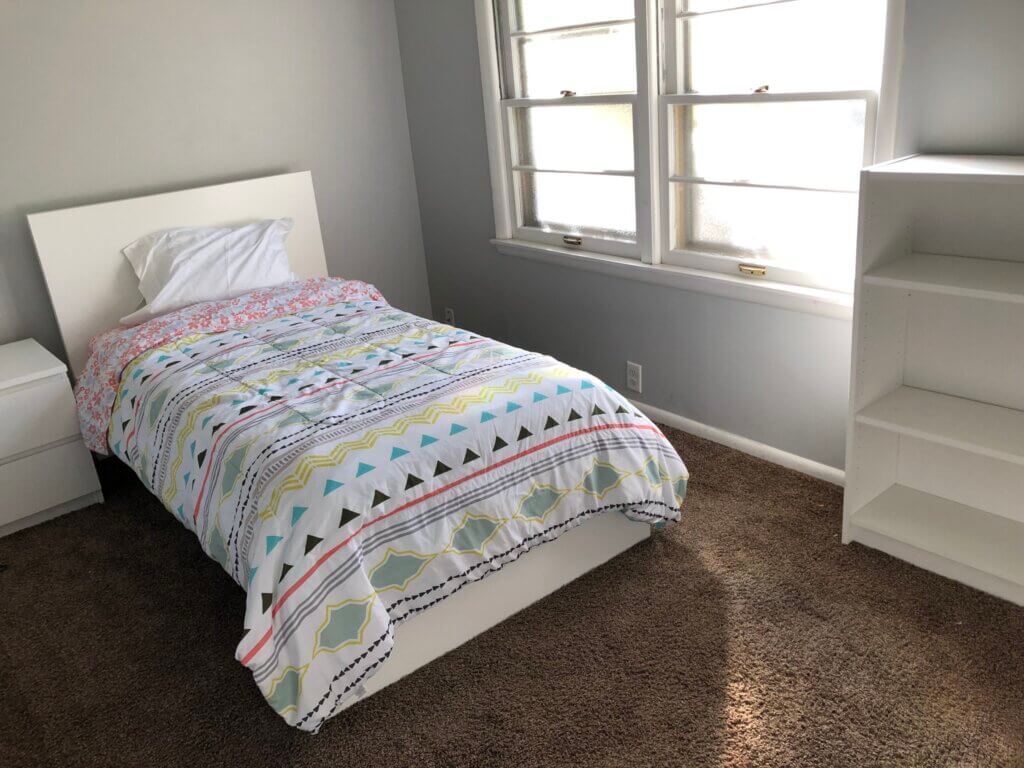
Began our First Rapid Rehousing Program providing stable housing to youth experiencing homelessness
2014

Started the Safe Harbor Division with the opening of Passageways Emergency Shelter & Housing Program for sexually exploited youth
2016
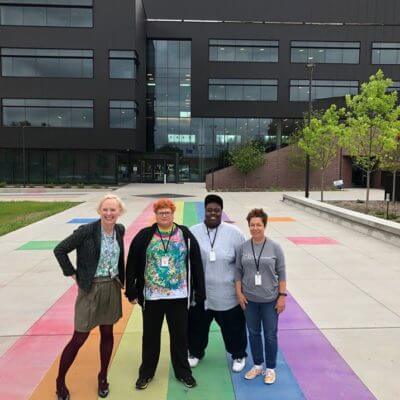
Opened Project Live Out Loud- the first culturally specific housing program for LGBTQ+ youth in Minnesota
2018
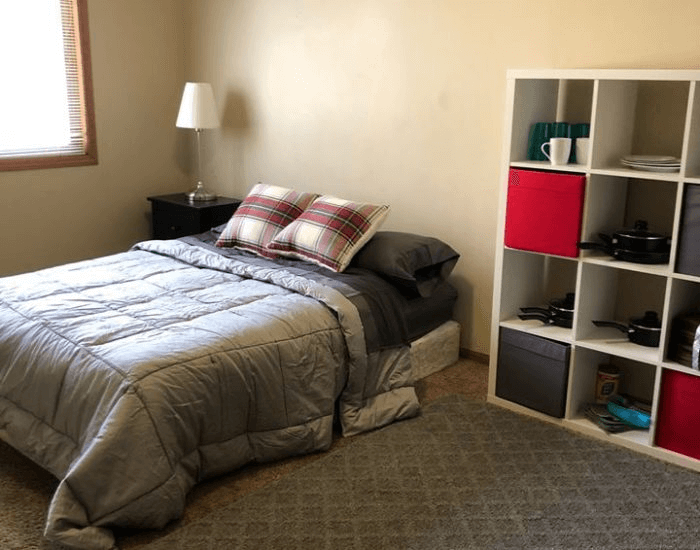
Started homeless prevention programming for Black youth in North Minneapolis through the creation of the Northside Homeless Prevention Program
Today
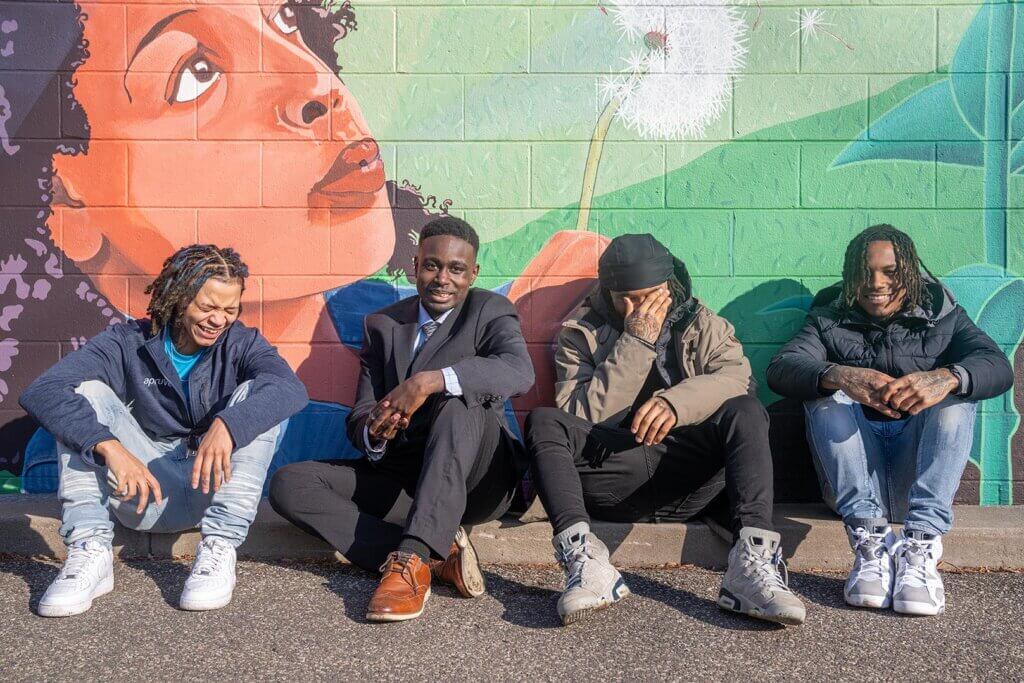
Serving 2,000+ youth each year including providing 250+ units of safe and stable housing each night and so much more
Equity, Diversity & Inclusion
Land Acknowledgement
We collectively acknowledge that The Link is located on the traditional, ancestral, and contemporary lands of Indigenous people. The Link resides on land that was cared for and called home by the Dakota people and other Native peoples from time immemorial. Ceded by the Dakota in 1805 through a fake treaty, this land holds great historical, spiritual, and personal significance for its original stewards, the Native nations and peoples of this region. We recognize and continually support and advocate for the sovereignty of the Native nations in this territory and beyond. By offering this land acknowledgement, we affirm tribal sovereignty and will work to hold this organization and ourselves as individuals accountable to Native peoples and nations.
EDI COMMITMENT STATEMENT
The Link will promote ongoing learning to better serve youth and families, broaden staff knowledge base and cultural awareness/competence resulting in equity, diversity and inclusion visible at all levels of the organization.
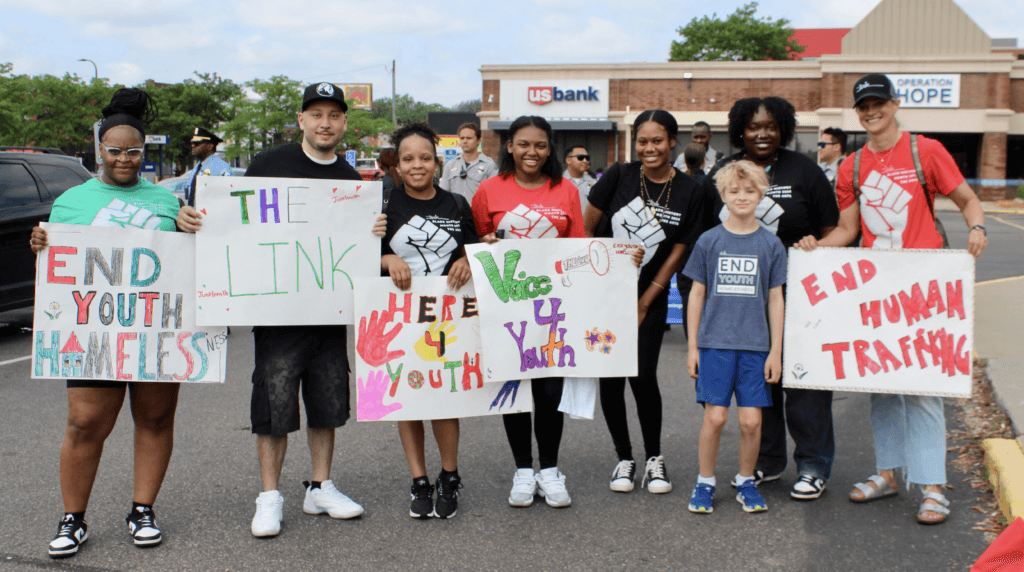
Youth
BUILDING EQUITY FOR YOUTH
The Link helps youth and young families heal from the harms that racism and other forms of oppression have caused while also supporting them to overcome the barriers that racism and oppression cause. We do this by providing culturally specific, youth-informed supportive services and programs, community resources, and trauma-informed case management, mentorship, and peer support. Through these approaches, The Link offers a way out of crisis and instability that is transformational for the young people we serve and a necessary part of building equitable and empowered communities.
Staff
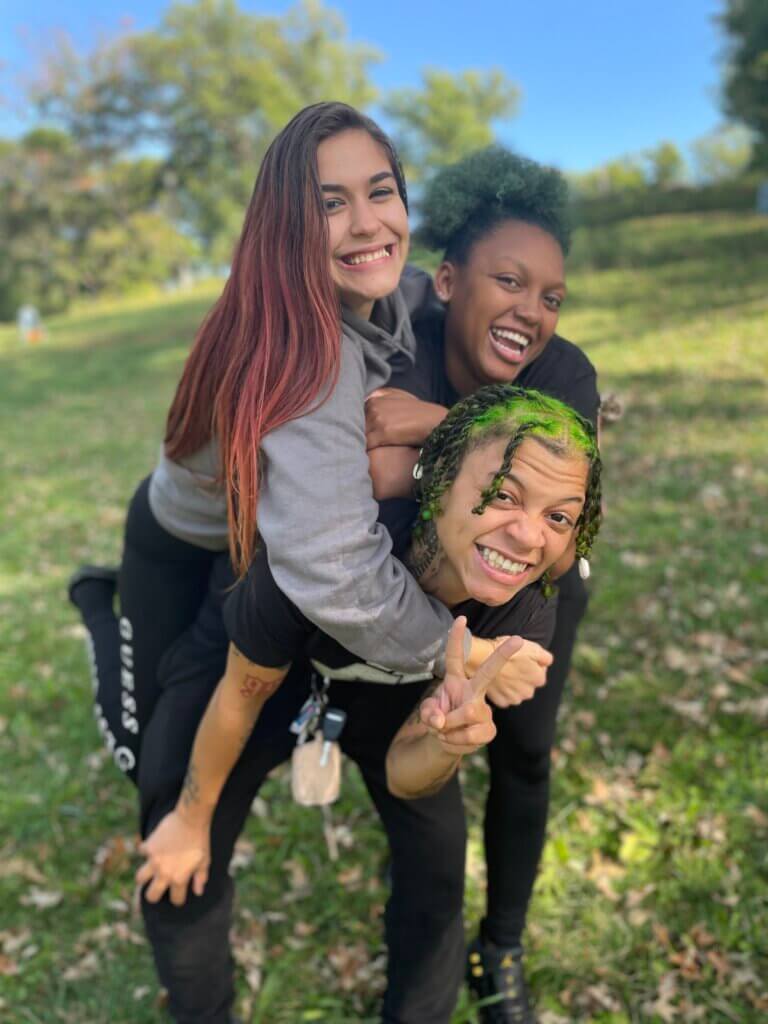
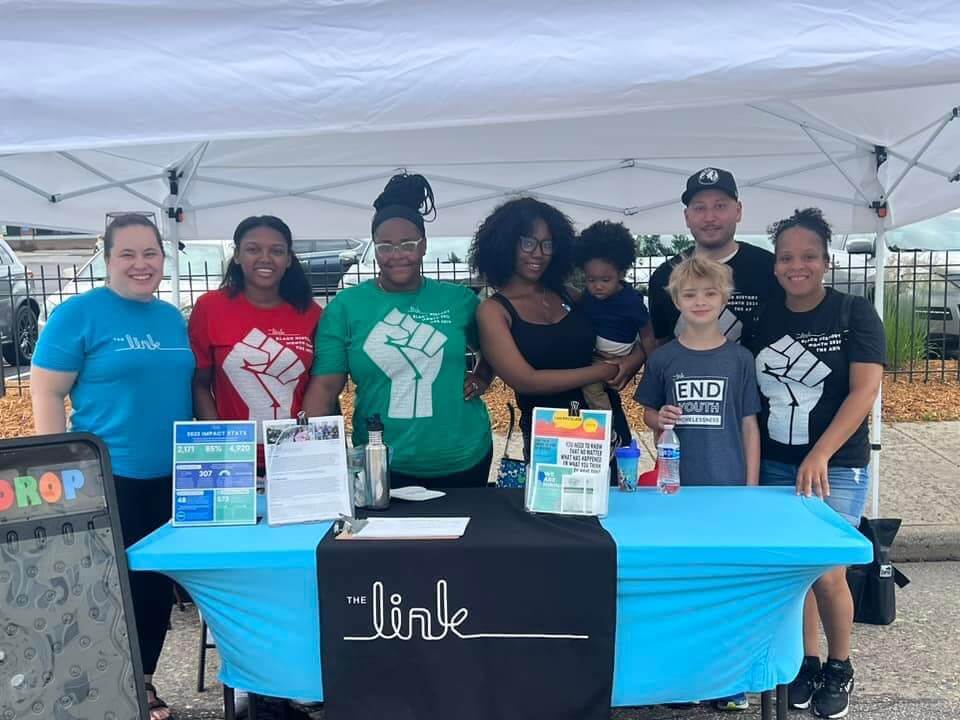
SUPPORTING & EDUCATING STAFF
The Link invests in our staff who are on the frontlines, helping young people build stability. We do this by:
- Committing to equitable pay and benefits, a key framework and priority within our organization
- Holding quarterly all-staff EDI trainings on cultural competency, anti-racism, LGBTQIA+ issues, disability rights, and mental health to promote cultural responsiveness at all levels
- Promoting well-being and racial healing to holistically support BIPOC staff through resources, racial equity PTO, and more
Advocacy
advancing social justice
The Link recognizes that to truly address poverty and social injustice, we must also be a leader in advocacy and systems change. With discrimination so deeply entrenched in our systems, direct services alone will not end multiple generations worth of racism and oppression. In response, The Link partners with youth and adult staff who have lived experience of homelessness, sex trafficking and/or involvement in the juvenile justice system to advocate for needed change. We also participate in many community, state, and national coalitions to advance these movements. By centering the voices of those most impacted by social injustice, The Link helped pass our state’s Homeless Youth Act and Safe Harbor Law.